Arm Lift vs. Liposuction: Which Is Better for Loose Upper Arms?
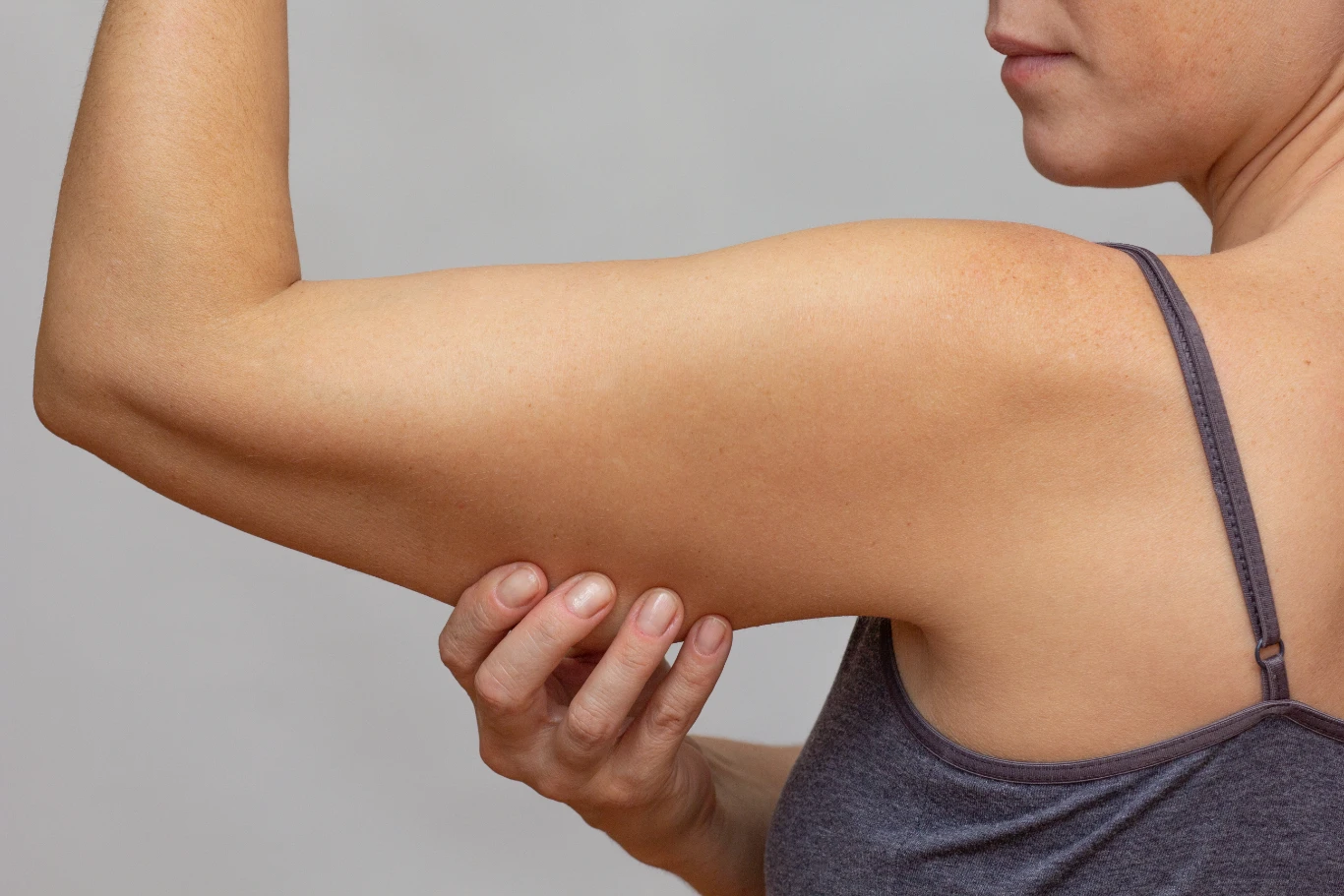
Loose upper arms do not always come from the same problem. For some people, the main issue is a pocket of fat between the shoulder and elbow. For others, stretched skin creates most of the sagging, especially after major weight loss or with aging.
This difference is central when comparing arm lift vs. liposuction. Arm liposuction is generally a better fit when localized fat is the main concern, and the skin still has enough elasticity to settle after treatment. An arm lift, also called brachioplasty, removes excess skin and is better suited to more significant skin laxity.
Arm Lift vs. Liposuction: 4 Differences to Compare
Both procedures reshape the upper arm, but they address different tissues. Skin quality, fat volume, scarring, and recovery all help separate one option from the other.
- Main concern: Liposuction targets localized fat. An arm lift focuses on excess, hanging skin.
- Skin elasticity: Upper arm liposuction works best when the skin has good elasticity, since firmer skin is better able to conform to a smaller contour.
- Scarring: Liposuction uses small incisions. Arm lift surgery requires a longer incision, with scar length depending on how much skin needs removal.
- Recovery: An arm lift involves skin removal and a larger incision, so recovery is usually more involved than recovery after isolated liposuction.
When Is Arm Liposuction Better Than an Arm Lift?
Arm liposuction is usually the more focused option when unwanted fullness comes mainly from fat. Good candidates are often near a stable weight and have enough skin firmness to adapt after fat removal.
A person with firm skin but persistent upper-arm fullness might benefit from fat reduction without skin removal. Tumescent liposuction removes localized fat through small incisions, which allows treatment to stay focused on the fatty layer beneath the skin.
When Is an Arm Lift Better for Loose Skin?
An arm lift for loose skin becomes more relevant when sagging tissue remains after weight loss or when skin has lost substantial elasticity. Liposuction removes fat, but it does not remove extra skin.
Signs pointing more toward skin laxity include:
- Skin hanging from the underside of the upper arm
- A fold of loose tissue with little underlying fat
- Significant skin changes after major weight loss
- Poor skin recoil when the arm is lifted or moved
Brachioplasty removes excess skin and reshapes the upper arm. The tradeoff is a longer scar, so scar placement and your comfort with a visible incision are important parts of the decision.
Arm Lift vs. Liposuction After Weight Loss
Weight loss sometimes leaves both residual fat and stretched skin. The amount of each helps determine which type of contouring is more appropriate.
If excess skin is limited and tissue quality remains firm, liposuction might still suit a remaining fat pocket. More extensive hanging skin usually shifts the discussion toward an arm lift rather than fat removal alone.
Does Liposuction Tighten Loose Arm Skin?
Liposuction is not a skin-removal procedure. Some skin retraction often follows fat removal when elasticity is good, but the amount varies from person to person.
Skin elasticity plays an important role in arm liposuction candidacy because the remaining skin needs to settle over the reduced volume. When laxity is already significant, removing fat alone might leave looseness behind.
How Do You Choose Between Arm Lift and Liposuction?
The choice between brachioplasty vs. liposuction starts with identifying the main source of the contour concern. Localized fat with firm skin generally favors liposuction, while substantial loose skin generally favors an arm lift.
Ralph Massey, MD is a fellowship-trained cosmetic surgeon and board-certified dermatologic surgeon with extensive experience in liposuction. If upper-arm fat is part of your concern, schedule a consultation to have your skin quality, fat distribution, and goals evaluated before choosing a treatment approach.